Podcast
Sermon: Good Friday
Listen to the sermon preached by the Rev. Liz Maxwell on Good Friday, April 3, 2026.

Listen to the sermon preached by the Rev. Liz Maxwell on Good Friday, April 3, 2026.
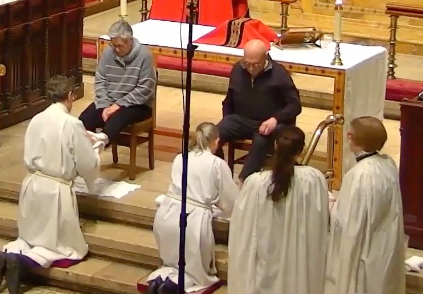
Listen to the sermon preached by the Rev. Ed Chinery on Maundy Thursday, April 2, 2026.

Listen to the lay homily from Steve Hubbard on Tuesday in Holy Week, March 31, 2026.
Listen to the lay homily from Libby Fosmire on Monday in Holy Week, March 30, 2026.
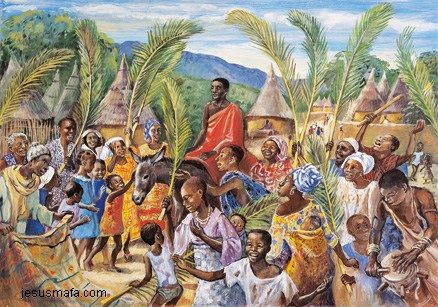
In her message this week, the rector connects Palm Sunday’s ancient story to present-day witness, planning to join Saturday’s No Kings March calling for democracy, justice, and peace. She explores how Jesus’ entry into Jerusalem was itself a public protest: a humble prophet on a borrowed donkey contrasting sharply with Pilate’s simultaneous imperial procession through another part of town. The tension between these two visions of power and authority plays out throughout Holy Week and history, asking where we will put our bodies, feet, and hearts as we follow Jesus’ way of vulnerable, self-giving love.

Join us for our Holy Week observances on Palm Sunday; the Monday, Tuesday and Wednesday of Holy Week; Maundy Thursday; Good Friday; the Easter Vigil; and Easter Sunday. Follow along on Jesus’ journey — from acclaimed prophet to enemy of the state and, ultimately, Risen Lord — through the ancient rhythms of Christian liturgy and sacred music.
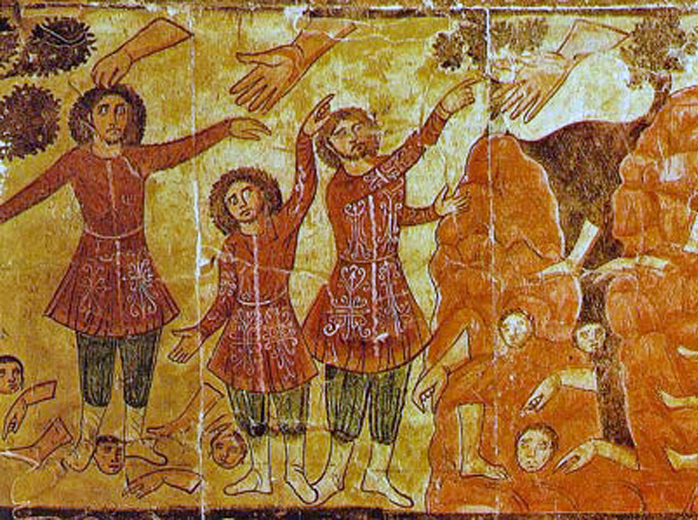
Listen to the sermon preached by the Rev. LIz Maxwell on the Fifth Sunday in Lent, March 22, 2026.
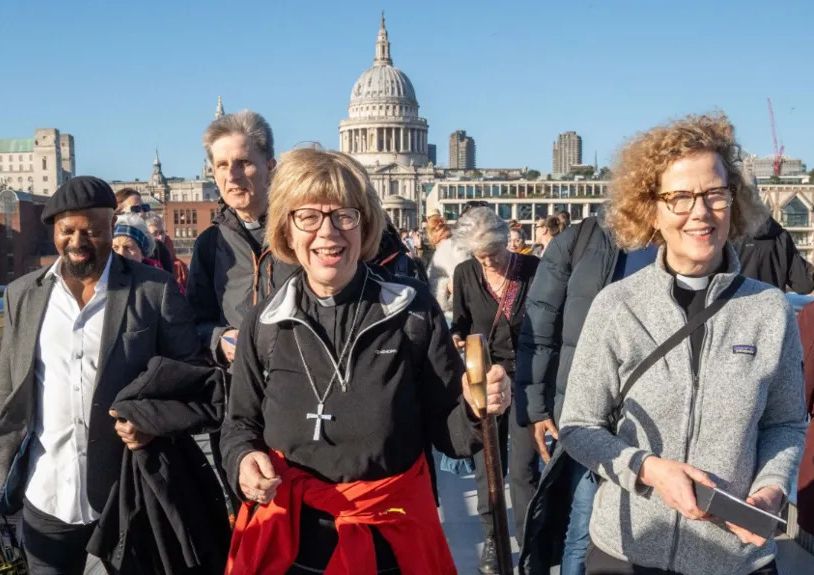
In this week’s newsletter, Mother Liz draws inspiration from Archbishop Sarah Mullally walking the 87-mile Becket Camino pilgrimage from London to Canterbury, traveling at “slow, human speed” as she prepares for her new role. The rector connects this ancient practice to Holy Week, when we follow Jesus step by step through his final days—using our bodies and imaginations to walk the Passion story together. She invites us to enter Holy Week’s liturgies fully, starting with next week’s Palm Sunday observance, finding in this deliberate, embodied pilgrimage “strong medicine, nourishment, strength and healing for our profoundly challenging times.”
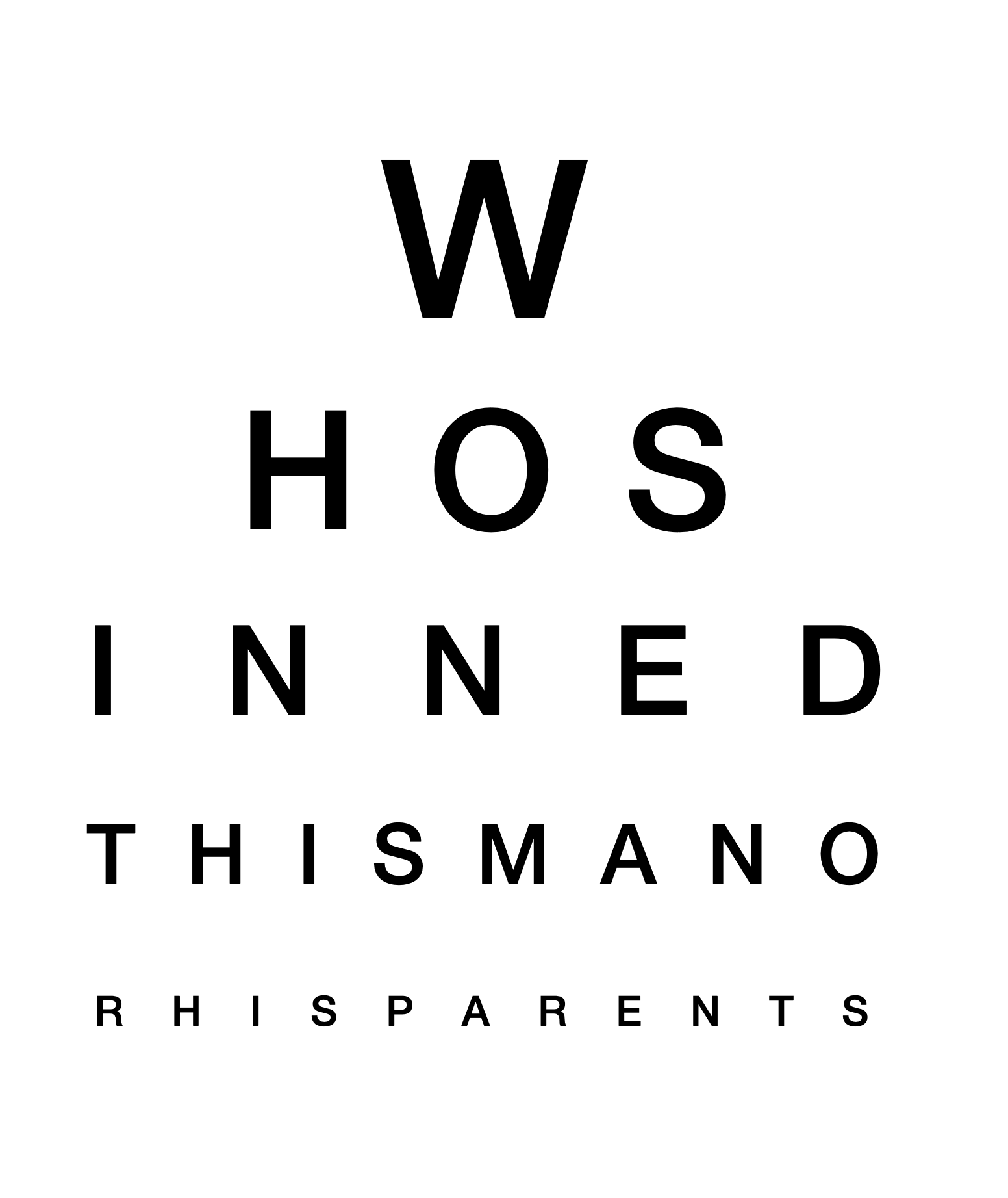
Listen to the sermon preached by the Rev. Ed Chinery on the Fourth Sunday in Lent, March 15, 2026.
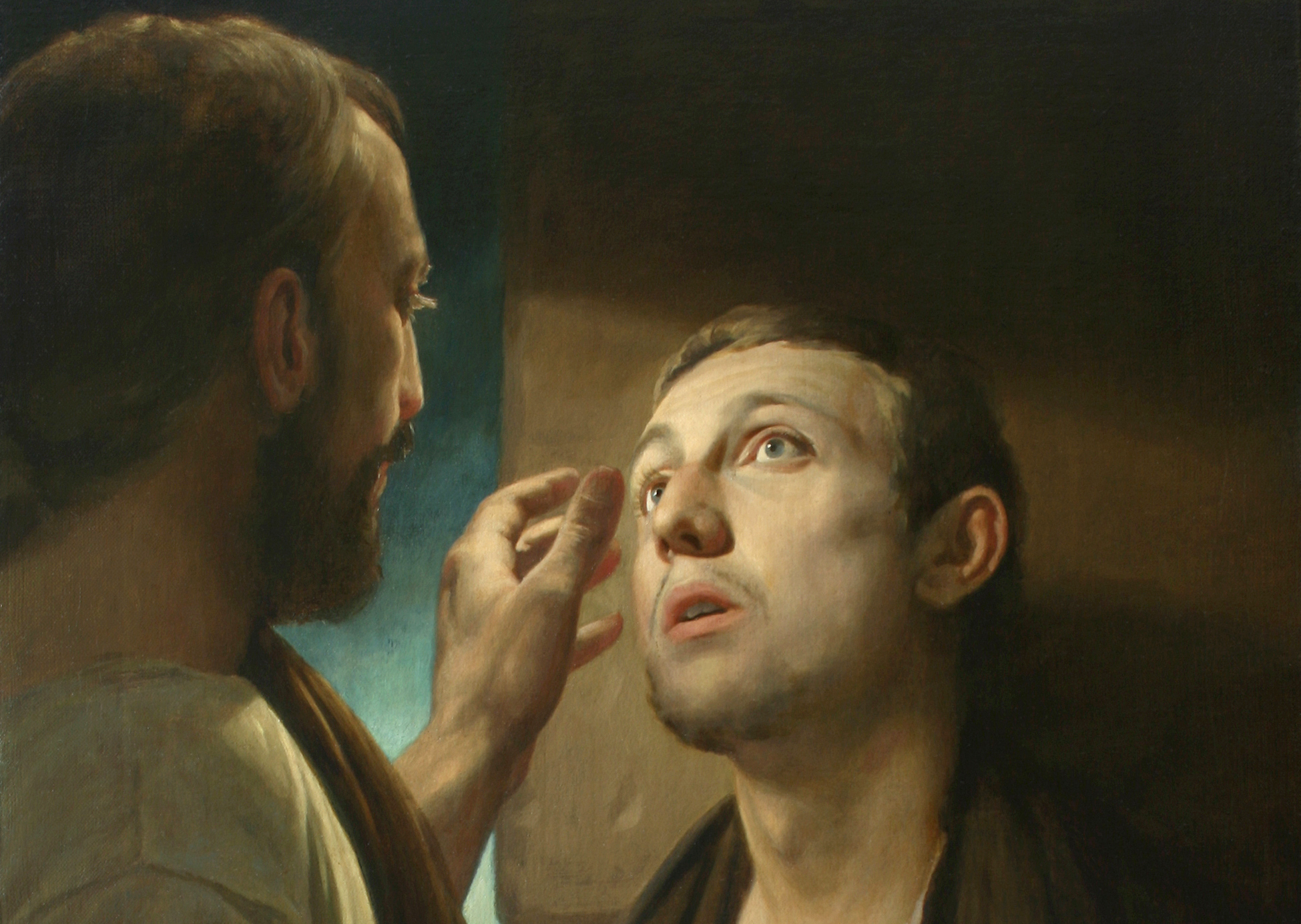
This week, the rector explores the gospel story of the man born blind—a dramatic, often hilarious narrative in which Jesus heals with mud and spit while religious authorities grow increasingly certain the healing is impossible or illegitimate. At the story’s pivot, the healed man offers simple testimony: “I don’t know if he is a sinner. One thing I know. I was blind and now I see.” Mother Liz asks what we know from our own experience that challenges assumptions or contradicts what authorities insist is true, inviting us to follow the blind man’s path: pay attention, be astonished, tell about it.