Thursday in the Fourth Week of Lent

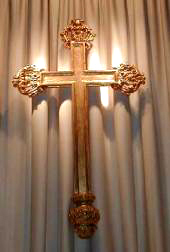
Cross at side altar
"Almighty and most merciful God, drive from us all weakness..." Obedience, never a word with which I am particularly comfortable, is what is asked for. God has made a promise to Abraham that he will give us eternal life, greater than anything that we can imagine, if we obey him. The people of Israel following Moses through the desert had a very difficult time grasping this concept. Even after the parting of the Red Sea and the manna and the other marvels that God performed, they greedily disregarded these acts of love. They took it for granted and wanted more.

Share This Post

Psalm 106:6-7, 19-23
Exodus 32:7-14
John 5:30-47

“Almighty and most merciful God, drive from us all weakness…”

Obedience, never a word with which I am particularly comfortable, is what is asked for. God has made a promise to Abraham that he will give us eternal life, greater than anything that we can imagine, if we obey him.

The people of Israel following Moses through the desert had a very difficult time grasping this concept. Even after the parting of the Red Sea and the manna and the other marvels that God performed, they greedily disregarded these acts of love. They took it for granted and wanted more.

They had been sustained by God, surviving the great ordeals and hardships of the desert, but they lost their resolve to love and trust in God because of greed and avarice.

In John, Jesus refers to these lessons when he admonishes the disciples for not having the resolve to believe what they had heard and studied — that through Christ they would have eternal life.

During this period of Lent, while we struggle across our own “deserts” in our faith, we can be reassured that God loves us and will bring us through. He will keep his promise. We must have only the resolve to obey him and trust in his love for us.

More To Explore

Artwork: Pentecost - Many Flames
Newsletter

Parish News: May 24

In this week’s newsletter, the rector notes Pentecost’s reversal of Babel—not by restoring a single language, but by enabling understanding across difference as each speaks and hears in their own tongue. She treasures hearing parishioners read “God’s deeds of power” in many languages during worship, and invites us to consider what it means to speak of God in our own heart language—whether shaped by mother tongue, place, trust, or profound shared experience. In a time of contempt for difference, Pentecost reveals the blessing of many tongues and the Holy Spirit’s gift of mutual understanding across culture, faith, and ethnic background.

Read More →